
Christmas can be a difficult time for families with autistic kids. The breaks in routine, sensory overwhelm and social expectations around a holiday can trigger meltdowns quickly. It’s also easy to feel frustrated with your autistic child for preventing your family from having a ‘normal’ Christmas season.
Despite the emotions surrounding this time of year, it’s important to have perspective on how the holidays affect your child. Separating your own expectations and emotions can better position you to make the season more comfortable for them.
Key Takeaways
- Autistic kids struggle around the holidays because their routine is thrown off.
- You can make the holidays easier for autistic kids by making them comfortable, and setting realistic expectations.
- Care Prompt can help by offering on-demand coaching on the hard days. Our therapists will work with you to create a care plan to help your child through the holidays.
Why is Christmas difficult for autistic kids?
Christmas can be difficult for autistic kids because they thrive on routines and struggle with social interactions. Both of these needs are irregularly met during the holidays. Autistic kids also struggle with sensory overload, which can be a huge problem during the holidays. Loud music and bright lights can be overwhelming, and can quickly trigger a meltdown.
Autistic kids often don’t really understand the holiday, either. They don’t like surprises, so gifts aren’t as enjoyable for them as they are for neurotypical kids. They don’t like to try different foods, so a Christmas dinner isn’t very appealing to them. They also have different feelings about social interaction than neurotypical kids might. This means that spending long hours with family is not something they look forward to.
What can I do to make the holiday season easier for my autistic child?
To make the season easier for your autistic child, it’s important to start with your own attitude about the holidays. Set your expectations, and understand that the joyful parts of Christmas to you might not matter to your autistic child. If you go into the season expecting an Instagram-worthy Christmas morning, you are almost guaranteed to be disappointed. Expecting your autistic child to happily and willingly participate is unfair to them and the rest of your family. Instead, adjust your expectations of their holiday experience while avoiding meltdowns over routine changes.
1. Don’t ask them to eat a traditional Christmas dinner and sit quietly at the table
If they want dino nuggets for the 6th day in a row, Christmas day is no time to protest. If you’re headed to a family member’s home, bring along something that you know your child will enjoy for dinner.
2. Make sure they always have a safe space
Even if you’re visiting family for Christmas, help them set up a quiet corner. Or, find them a dark room they can hang out in if they need to get away for a break.
3. Give them breaks even if they aren’t taking them themselves
Schedule breaks into your day to keep a form of routine. Take them with you on a short walk or errand for some quiet time if you notice them getting overwhelmed.
4. Maintain their routines as much as possible
If your child likes to play a video game at 4 PM every day, keep that activity in the schedule. Help them make a visual schedule of what each day looks like while on Christmas vacation, and stick to it.
5. Pick sensory friendly decor
You don’t have to give up on decorating your house, but try to avoid scented, bright or noisy decor inside. Find items that aren’t breakable that your child can touch or help you set up around the house. A Christmas tree in a main room might be overwhelming, so consider moving it to a less used space. You could also find a small tree that doesn’t take up so much space to swap it out with.
6. Set extended family expectations
Your extended family might have different expectations for family get togethers than are realistic for your child. Let them know that your child does not have to do things they don’t want to, even Christmas traditions. If you see them pushing your child, be sure to let your child know that they don’t have to do anything they don’t want to do.
7. Set boundaries on physical touch
Many autistic children struggle with physical touch, and hugging extended family members all at once can be very overwhelming. Let family know that your child will be saying hello and goodbye in their own way. Make sure your child knows that they have the right to refuse a hug from anyone, even their family.
8. Consider offering to host
This will mean more work for you and your family, so don’t offer if you know you won’t enjoy it. Hosting at your own home can mean that your child has all their toys and safe spaces. You will be able to focus on family time while knowing they are safe and not getting into anything at someone else’s home.
9. Avoid surprises
Opening gifts on Christmas morning has a lot of appeal for neurotypical kids, but your autistic child might hate it. Consider your child and how they like to be prepared or told about things. If you think they will struggle with the surprise, just let them know ahead of time what you’ve bought them.
If they are particular about their Christmas list, consider taking them shopping to make sure they are not disappointed. Consider picking up gifts for family members to give. Otherwise, be very specific about their list to avoid a meltdown if a toy is not exactly what they want.
10. Consider leaving gifts unwrapped
This can be tricky if you have other children, but the sound of wrapping paper can bother autistic kids. Get creative, and try things like soft gift bags, or less crunchy newspaper instead of wrapping paper. You can also just leave the gifts out without any wrapping to avoid the discomfort altogether.
11. Watch Christmas episodes of their favourite shows
You might struggle getting the whole family to sit for a traditional Christmas movie. However, your child’s comfort shows might have Christmas episodes. This can be a great way to start a conversation about the holidays. Discuss what their friends are celebrating, and still give the Christmas movie feeling to the rest of the family.
12. Let them participate in their own way
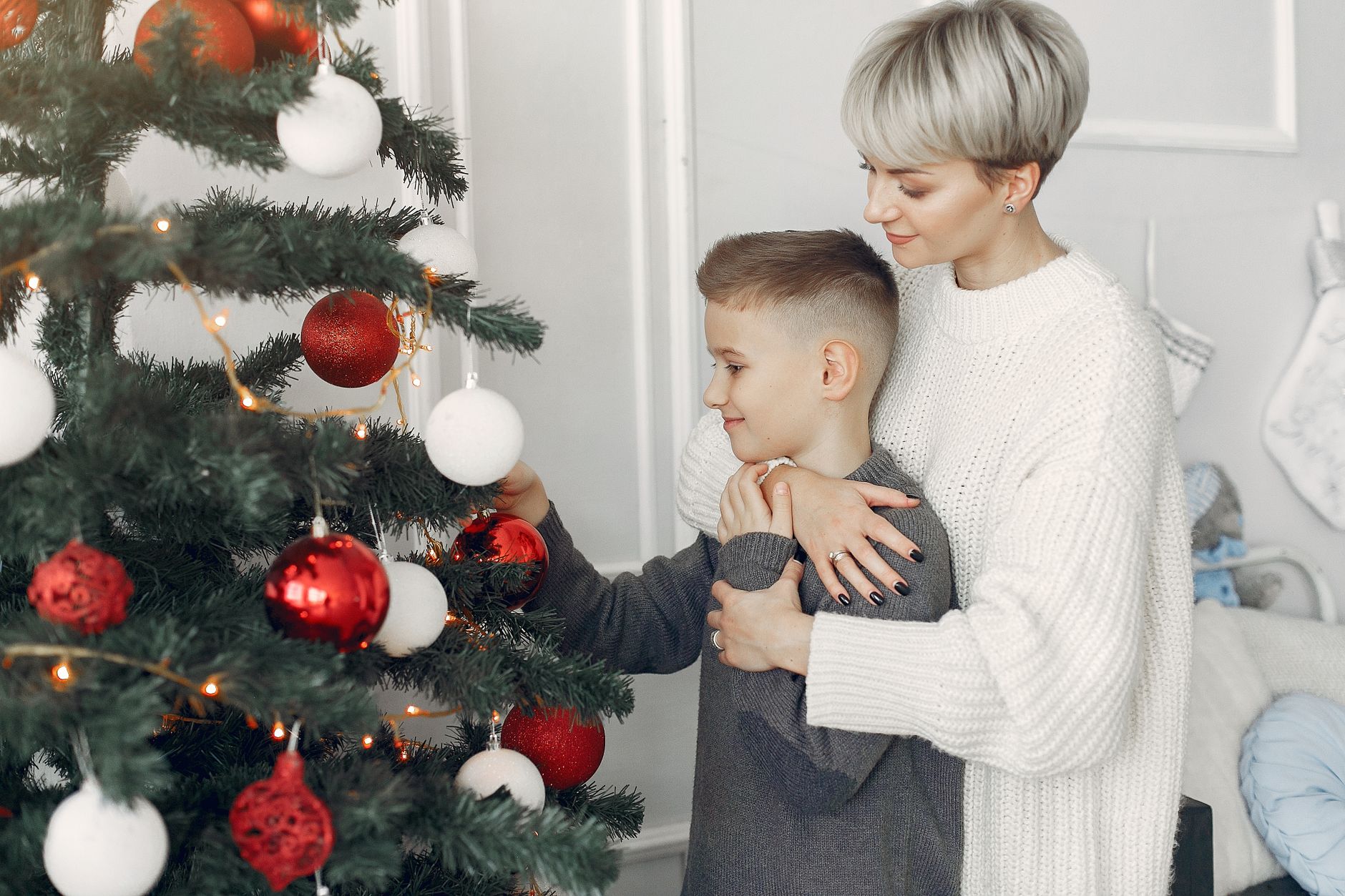
If you’re hosting, let them help make a seating chart or design a menu for guests. See if they want to help you set out decorations or hang ornaments on the tree. If they don’t, don’t push them into participating.
13. Make a sensory craft for the holidays
Try a clay or felt craft with them to hang on the Christmas tree or set on the mantle. Use it as an opportunity to talk with them about the holidays and what to expect. Lean into their hobbies if they enjoy a creative outlet like crafting.
14. Watch movies as a family for sensory breaks
Even if they aren’t traditional Christmas movies, sitting together to watch a movie can still be a fun holiday tradition. Try to find something that your autistic child likes that the rest of the family will still enjoy. Movies can be a great mid-day break if the house is getting noisy, or a wind-down activity before bed.
15. Keep gifts focused on their special interests
Many autistic kids get invested in a particular interest and spend their free time thinking and learning about that interest. When Christmas shopping, get them gifts from these categories that you know they will like. Don’t try to give them the most popular toy of the year if it’s not something they want.
What if I need more support?
The holidays are a stressful time of year for many families. Adding the support needs of an autistic child to the mix can make things even more difficult. If you need extra help, talk to your support network and lean on loved ones. If you are looking for more professional support for you and your child, Care Prompt is a great option. We offer on-demand parent coaching to get you through the hard days and encourage you when things are going well. We can help create a plan for you and your child to meet your goals going forward. If Care Prompt sounds like something that could help your family, contact us to learn more.